Depression treatment,
from standard care to Spravato® and TMS.
Major depressive disorder, persistent depressive disorder, treatment-resistant depression. The full spectrum of care — medication, Spravato®, TMS, pharmacogenomics — across California.
Medically reviewed by Surender Punia, MD, ABPN Board-Certified Psychiatrist · Last reviewed May 2026
SMS appointment reminders are optional. You may opt in during booking — consent is not required to schedule or receive care. Msg & data rates may apply for opted-in numbers. Reply STOP to opt out anytime. See our SMS Consent & Terms.

What is depression?
Depression is more than feeling down. Clinical depression is a persistent low mood, loss of interest, and physical changes — sleep, appetite, energy — that interfere with your ability to live your life.
It can show up as sadness, irritability, numbness, hopelessness, or a sense that nothing matters. Depression is highly treatable, and treatment options keep expanding. For most patients, an SSRI or SNRI plus therapy is enough. For patients who haven’t responded to multiple medications — what we call treatment-resistant depression (TRD) — newer options like Spravato® (esketamine) and TMS can be game-changing.
Common diagnoses we treat: major depressive disorder (MDD), persistent depressive disorder (dysthymia), postpartum depression, seasonal affective disorder, and treatment-resistant depression.
- Persistent sad, empty, or hopeless mood
- Loss of interest in activities you used to enjoy
- Sleep changes — insomnia or sleeping too much
- Fatigue or low energy almost every day
- Appetite and weight changes
- Difficulty concentrating, indecisiveness, brain fog
- Feelings of worthlessness or excessive guilt
- Thoughts of death or suicide (call 988 if active)
If symptoms are interfering with daily life — or if you’ve felt this way for more than two weeks — it’s worth a conversation with a psychiatrist.
How depression is treated.
Effective treatment usually combines medication, therapy, and lifestyle factors. We work with you to find the right combination.
SSRIs / SNRIs
First-line treatment. Sertraline, escitalopram, venlafaxine, duloxetine. About 50% of patients respond to the first medication.
Atypical antidepressants
Bupropion, mirtazapine, vortioxetine — useful when SSRIs aren’t working or cause side effects.
Spravato® (esketamine)
FDA-approved for treatment-resistant depression. A different mechanism than traditional antidepressants.
TMS therapy
Drug-free, non-invasive magnetic stimulation. FDA-cleared for major depression.
Pharmacogenomics
Genetic testing to guide medication selection — fewer trial-and-error switches. Especially useful after 2+ failed trials.
Augmentation strategies
Adding lithium, atypical antipsychotic, thyroid hormone, or another antidepressant to enhance response.
Care that takes time.
Depression treatment is often a process of finding the right combination. We don’t believe in “fail first” mandates — if you’ve already tried multiple medications without relief, we move quickly toward Spravato or TMS evaluation rather than recycling through old options.
Initial evaluations are 60–90 minutes. We screen for medical contributors (thyroid, B12, sleep apnea), substance use, and life circumstances that affect treatment choice. If you’ve never had pharmacogenomic testing and you’ve had 2+ failed medication trials, we usually order it at the first visit.
As an integrated practice, we can move you between standard medication, Spravato, and TMS based on response — no referral handoffs.
SMS appointment reminders are optional. You may opt in during booking — consent is not required to schedule or receive care. Msg & data rates may apply for opted-in numbers. Reply STOP to opt out anytime. See our SMS Consent & Terms.
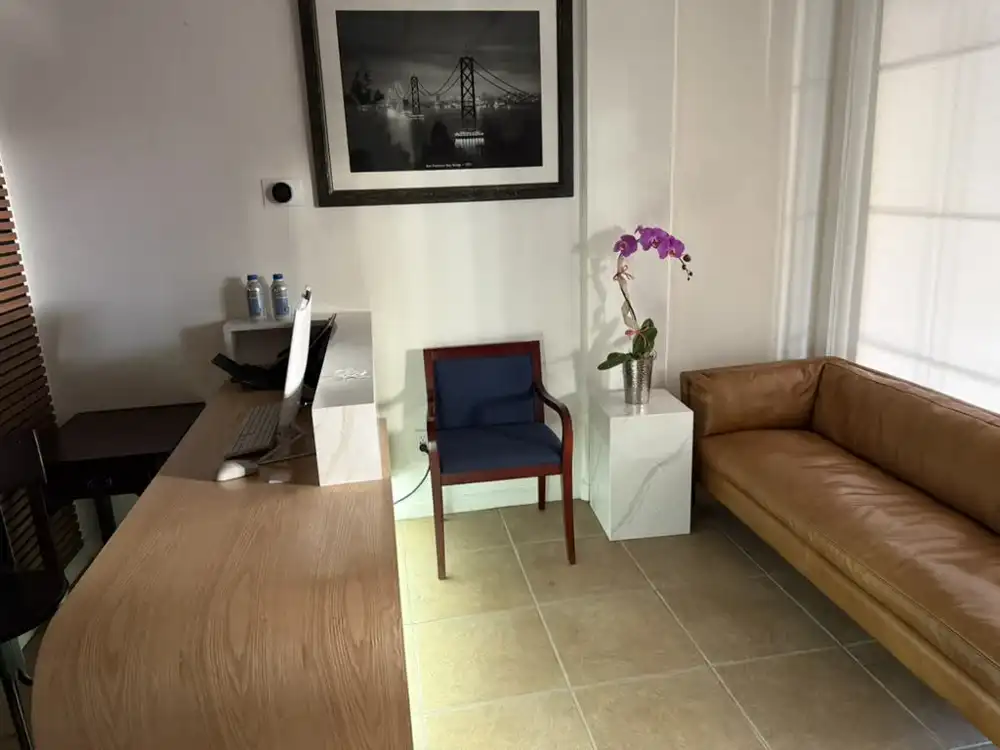
In person, or by telehealth.
Four California clinics for in-person care, plus TelePsychiatry for patients anywhere in the state.
Common questions.
From our team
What if your antidepressant isn't enough? The case for Spravato®
One in three people with depression don't respond to traditional antidepressants. Spravato® uses a different mechanism — often providing relief in hours, not weeks.
TMS therapy — the drug-free, FDA-cleared treatment for depression you may not know about
Non-invasive, requires no anesthesia, and has no cognitive side effects. Patients drive themselves home after sessions.
Why your DNA should guide your prescription — the pharmacogenomics revolution
Over 90% of people carry a genetic variant that changes how they respond to psychiatric medications. A simple cheek swab can change everything.
Clinical sources
The clinical information on this page reflects current guidance from national medical and government health authorities. Always consult a clinician about your individual care.
- National Institute of Mental Health. Depression. nimh.nih.gov
- American Psychiatric Association. What Is Depression?. psychiatry.org
- National Institute of Mental Health. Psychotherapies. nimh.nih.gov
Depression is highly treatable.
Universal Medical Group is accepting new patients across California — in person and by TelePsychiatry. The right treatment changes the texture of an ordinary day.
SMS appointment reminders are optional. You may opt in during booking — consent is not required to schedule or receive care. Msg & data rates may apply for opted-in numbers. Reply STOP to opt out anytime. See our SMS Consent & Terms.
'/%3E%3Cellipse%20cx%3D'40'%20cy%3D'80'%20rx%3D'30'%20ry%3D'20'%20fill%3D'%230F2E44'%20clip-path%3D'url(%23c)'/%3E%3Cpath%20d%3D'M18%2068%20Q25%2060%2040%2064%20Q55%2060%2062%2068%20L65%2080%20L15%2080Z'%20fill%3D'%231B4D6E'%20clip-path%3D'url(%23c)'/%3E%3Crect%20x%3D'34'%20y%3D'52'%20width%3D'12'%20height%3D'13'%20rx%3D'5'%20fill%3D'%23D4956A'/%3E%3Cellipse%20cx%3D'40'%20cy%3D'42'%20rx%3D'17'%20ry%3D'19'%20fill%3D'%23D4956A'/%3E%3Cellipse%20cx%3D'40'%20cy%3D'27'%20rx%3D'17'%20ry%3D'10'%20fill%3D'%233D2314'/%3E%3Cpath%20d%3D'M23%2032%20Q18%2044%2020%2058%20Q24%2062%2027%2060%20Q25%2050%2026%2038Z'%20fill%3D'%233D2314'/%3E%3Cpath%20d%3D'M57%2032%20Q62%2044%2060%2058%20Q56%2062%2053%2060%20Q55%2050%2054%2038Z'%20fill%3D'%233D2314'/%3E%3Cellipse%20cx%3D'33'%20cy%3D'42'%20rx%3D'4'%20ry%3D'4.2'%20fill%3D'%23fff'/%3E%3Cellipse%20cx%3D'47'%20cy%3D'42'%20rx%3D'4'%20ry%3D'4.2'%20fill%3D'%23fff'/%3E%3Cellipse%20cx%3D'33.4'%20cy%3D'42.2'%20rx%3D'2.8'%20ry%3D'3'%20fill%3D'%235C3317'/%3E%3Cellipse%20cx%3D'47.4'%20cy%3D'42.2'%20rx%3D'2.8'%20ry%3D'3'%20fill%3D'%235C3317'/%3E%3Cellipse%20cx%3D'33.8'%20cy%3D'41.6'%20rx%3D'1.4'%20ry%3D'1.5'%20fill%3D'%231a0a00'/%3E%3Cellipse%20cx%3D'47.8'%20cy%3D'41.6'%20rx%3D'1.4'%20ry%3D'1.5'%20fill%3D'%231a0a00'/%3E%3Ccircle%20cx%3D'34.5'%20cy%3D'41'%20r%3D'.7'%20fill%3D'%23fff'%20opacity%3D'.9'/%3E%3Ccircle%20cx%3D'48.5'%20cy%3D'41'%20r%3D'.7'%20fill%3D'%23fff'%20opacity%3D'.9'/%3E%3Cpath%20d%3D'M28%2037.5%20Q33%2035.5%2038%2037'%20stroke%3D'%233D2314'%20stroke-width%3D'1.5'%20fill%3D'none'%20stroke-linecap%3D'round'/%3E%3Cpath%20d%3D'M42%2037%20Q47%2035.5%2052%2037.5'%20stroke%3D'%233D2314'%20stroke-width%3D'1.5'%20fill%3D'none'%20stroke-linecap%3D'round'/%3E%3Cpath%20d%3D'M33.5%2052.5%20Q40%2057.5%2046.5%2052.5'%20stroke%3D'%23C4845A'%20stroke-width%3D'1.5'%20fill%3D'none'%20stroke-linecap%3D'round'/%3E%3Cellipse%20cx%3D'28'%20cy%3D'49'%20rx%3D'4.5'%20ry%3D'2.5'%20fill%3D'%23E8967A'%20opacity%3D'.28'/%3E%3Cellipse%20cx%3D'52'%20cy%3D'49'%20rx%3D'4.5'%20ry%3D'2.5'%20fill%3D'%23E8967A'%20opacity%3D'.28'/%3E%3C/svg%3E)