Bipolar disorder treatment,
with specialty mood-stabilizer expertise.
Bipolar I, Bipolar II, cyclothymia, mood instability. Specialty mood-stabilizer management plus pharmacogenomic-guided treatment selection.
Medically reviewed by Surender Punia, MD, ABPN Board-Certified Psychiatrist · Last reviewed May 2026
SMS appointment reminders are optional. You may opt in during booking — consent is not required to schedule or receive care. Msg & data rates may apply for opted-in numbers. Reply STOP to opt out anytime. See our SMS Consent & Terms.

What is bipolar disorder?
Bipolar disorder is a mood disorder marked by periods of mania (or hypomania) alternating with periods of depression. It’s distinct from “mood swings” — manic and depressive episodes last days to weeks, not hours, and they meaningfully affect functioning.
Bipolar I involves full manic episodes (decreased need for sleep, racing thoughts, impulsive behavior, grandiosity, sometimes psychosis). Bipolar II involves hypomanic episodes (less severe than mania) plus depression — and is often misdiagnosed as recurrent depression because patients seek help during depressive phases.
Bipolar disorder is highly treatable, but treatment selection matters more than for almost any other psychiatric condition. The wrong medication (or the wrong dose) can destabilize symptoms; the right combination is often life-changing.
- 01Manic/hypomanic episodes: decreased need for sleep without fatigue
- 02Racing thoughts, rapid speech, distractibility
- 03Impulsive decisions: spending, sexual behavior, travel, projects
- 04Inflated self-esteem or grandiosity
- 05Increased goal-directed activity or risk-taking
- 06Depressive episodes: low mood, anhedonia, fatigue, hopelessness
- 07Suicidal thoughts during depressive episodes (call 988)
- 08Mixed states — depressive mood with manic energy or irritability
If symptoms are interfering with daily life — or if you’ve felt this way for more than two weeks — it’s worth a conversation with a psychiatrist.
How bipolar disorder is treated.
Effective treatment usually combines medication, therapy, and lifestyle factors. We work with you to find the right combination.
Lithium
Gold standard for bipolar I. Reduces both manic and depressive episodes; reduces suicide risk. Requires periodic blood monitoring.
Anticonvulsant mood stabilizers
Lamotrigine (especially for bipolar depression), valproate, carbamazepine. Each has different strengths and side effects.
Atypical antipsychotics
Quetiapine, lurasidone, olanzapine, aripiprazole. Several are FDA-approved for bipolar depression and/or maintenance.
Cautious antidepressant use
Standard antidepressants can trigger mania in some bipolar patients. We use them carefully, with mood-stabilizer coverage.
Pharmacogenomics
Especially valuable in bipolar — genetic testing can help avoid trial-and-error and pick mood stabilizers most likely to work for you.
Sleep stabilization
Sleep disruption is both a trigger and a warning sign of episodes. Protecting sleep is core to bipolar treatment.
Care that takes time.
Many patients arrive having been treated as “depression” for years before a hypomanic episode reveals bipolar II. Re-evaluation matters: the right diagnosis changes everything about treatment.
Dr. Punia is a Fellow of the American Society of Clinical Psychopharmacology (FASCP) — meaning specialty expertise in complex medication management. For bipolar disorder specifically, this matters: lithium dosing, lamotrigine titration, navigating drug-drug interactions, and managing pregnancy considerations all benefit from specialist depth.
We coordinate with therapists experienced in bipolar disorder (CBT, family-focused therapy, social rhythm therapy). We also help patients build relapse-prevention plans — early-warning signs to watch for and what to do if they appear.
SMS appointment reminders are optional. You may opt in during booking — consent is not required to schedule or receive care. Msg & data rates may apply for opted-in numbers. Reply STOP to opt out anytime. See our SMS Consent & Terms.
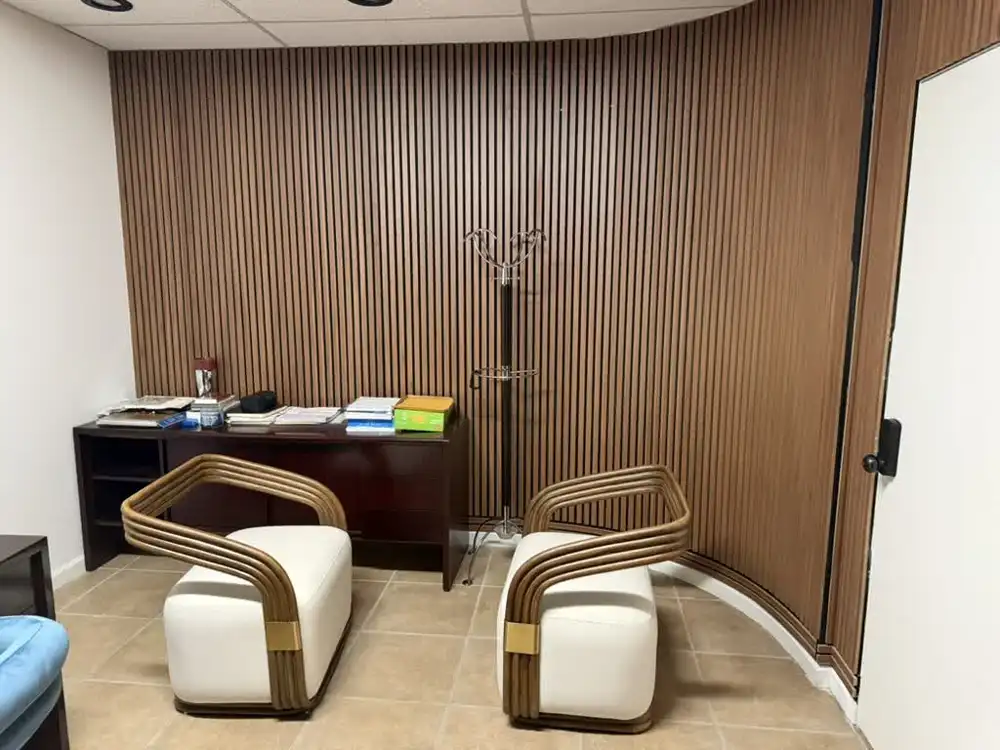
In-person or via telehealth.
Four California clinics for in-person care, plus TelePsychiatry for patients anywhere in the state.
Pleasant Hill
91 Gregory Lane, Suite 20
Pleasant Hill, CA 94523 · Contra Costa County
TelePsychiatry
Secure video psychiatric care from home — for patients anywhere in California.
All 58 California counties Explore TelePsychiatryCommon questions.
From our team
Why your DNA should guide your prescription — the pharmacogenomics revolution
Over 90% of people carry a genetic variant that changes how they respond to psychiatric medications. A simple cheek swab can change everything.
When reality starts to shift — what every parent should know about early psychosis
The warning signs are subtle and the window for intervention is narrow. Early detection changes everything.
Clinical sources
The clinical information on this page reflects current guidance from national medical and government health authorities. Always consult a clinician about your individual care.
- National Institute of Mental Health. Bipolar Disorder. nimh.nih.gov
- American Psychiatric Association. What Are Bipolar Disorders?. psychiatry.org
- National Institute of Mental Health. Psychotherapies. nimh.nih.gov
The right diagnosis changes everything.
Universal Medical Group is accepting new patients across California — in person and by TelePsychiatry. Considered, specialist care for bipolar disorder.
SMS appointment reminders are optional. You may opt in during booking — consent is not required to schedule or receive care. Msg & data rates may apply for opted-in numbers. Reply STOP to opt out anytime. See our SMS Consent & Terms.
'/%3E%3Cellipse%20cx%3D'40'%20cy%3D'80'%20rx%3D'30'%20ry%3D'20'%20fill%3D'%230F2E44'%20clip-path%3D'url(%23c)'/%3E%3Cpath%20d%3D'M18%2068%20Q25%2060%2040%2064%20Q55%2060%2062%2068%20L65%2080%20L15%2080Z'%20fill%3D'%231B4D6E'%20clip-path%3D'url(%23c)'/%3E%3Crect%20x%3D'34'%20y%3D'52'%20width%3D'12'%20height%3D'13'%20rx%3D'5'%20fill%3D'%23D4956A'/%3E%3Cellipse%20cx%3D'40'%20cy%3D'42'%20rx%3D'17'%20ry%3D'19'%20fill%3D'%23D4956A'/%3E%3Cellipse%20cx%3D'40'%20cy%3D'27'%20rx%3D'17'%20ry%3D'10'%20fill%3D'%233D2314'/%3E%3Cpath%20d%3D'M23%2032%20Q18%2044%2020%2058%20Q24%2062%2027%2060%20Q25%2050%2026%2038Z'%20fill%3D'%233D2314'/%3E%3Cpath%20d%3D'M57%2032%20Q62%2044%2060%2058%20Q56%2062%2053%2060%20Q55%2050%2054%2038Z'%20fill%3D'%233D2314'/%3E%3Cellipse%20cx%3D'33'%20cy%3D'42'%20rx%3D'4'%20ry%3D'4.2'%20fill%3D'%23fff'/%3E%3Cellipse%20cx%3D'47'%20cy%3D'42'%20rx%3D'4'%20ry%3D'4.2'%20fill%3D'%23fff'/%3E%3Cellipse%20cx%3D'33.4'%20cy%3D'42.2'%20rx%3D'2.8'%20ry%3D'3'%20fill%3D'%235C3317'/%3E%3Cellipse%20cx%3D'47.4'%20cy%3D'42.2'%20rx%3D'2.8'%20ry%3D'3'%20fill%3D'%235C3317'/%3E%3Cellipse%20cx%3D'33.8'%20cy%3D'41.6'%20rx%3D'1.4'%20ry%3D'1.5'%20fill%3D'%231a0a00'/%3E%3Cellipse%20cx%3D'47.8'%20cy%3D'41.6'%20rx%3D'1.4'%20ry%3D'1.5'%20fill%3D'%231a0a00'/%3E%3Ccircle%20cx%3D'34.5'%20cy%3D'41'%20r%3D'.7'%20fill%3D'%23fff'%20opacity%3D'.9'/%3E%3Ccircle%20cx%3D'48.5'%20cy%3D'41'%20r%3D'.7'%20fill%3D'%23fff'%20opacity%3D'.9'/%3E%3Cpath%20d%3D'M28%2037.5%20Q33%2035.5%2038%2037'%20stroke%3D'%233D2314'%20stroke-width%3D'1.5'%20fill%3D'none'%20stroke-linecap%3D'round'/%3E%3Cpath%20d%3D'M42%2037%20Q47%2035.5%2052%2037.5'%20stroke%3D'%233D2314'%20stroke-width%3D'1.5'%20fill%3D'none'%20stroke-linecap%3D'round'/%3E%3Cpath%20d%3D'M33.5%2052.5%20Q40%2057.5%2046.5%2052.5'%20stroke%3D'%23C4845A'%20stroke-width%3D'1.5'%20fill%3D'none'%20stroke-linecap%3D'round'/%3E%3Cellipse%20cx%3D'28'%20cy%3D'49'%20rx%3D'4.5'%20ry%3D'2.5'%20fill%3D'%23E8967A'%20opacity%3D'.28'/%3E%3Cellipse%20cx%3D'52'%20cy%3D'49'%20rx%3D'4.5'%20ry%3D'2.5'%20fill%3D'%23E8967A'%20opacity%3D'.28'/%3E%3C/svg%3E)