Anxiety treatment
that actually helps.
Generalized anxiety, panic attacks, social anxiety, health anxiety. Evidence-based treatment from board-certified psychiatrists across California — in person and via TelePsychiatry.
Medically reviewed by Surender Punia, MD, ABPN Board-Certified Psychiatrist · Last reviewed May 2026
SMS appointment reminders are optional. You may opt in during booking — consent is not required to schedule or receive care. Msg & data rates may apply for opted-in numbers. Reply STOP to opt out anytime. See our SMS Consent & Terms.

What is anxiety?
Anxiety disorders are the most common mental health conditions in the United States, affecting roughly 1 in 5 adults each year. They show up as constant worry, racing thoughts, physical tension, panic attacks, or avoidance of situations that trigger fear.
Anxiety becomes a clinical issue when it’s persistent, hard to control, and gets in the way of work, relationships, or sleep. The good news: it’s one of the most treatable mental health conditions. Most patients see meaningful improvement within a few weeks of starting treatment.
Common anxiety diagnoses we treat include generalized anxiety disorder (GAD), panic disorder, social anxiety disorder, specific phobias, and health anxiety.
Common symptoms
- Persistent worry or fear that’s hard to control
- Restlessness, feeling on edge, or keyed up
- Difficulty concentrating; mind going blank
- Muscle tension, headaches, jaw clenching
- Sleep problems — trouble falling or staying asleep
- Panic attacks: sudden surges of fear, racing heart, chest tightness, dizziness
- Avoidance of situations that trigger anxiety
- Physical symptoms: GI distress, fatigue, chronic tension
If symptoms are interfering with daily life — or if you’ve felt this way for more than two weeks — it’s worth a conversation with a psychiatrist.
How anxiety is treated.
Effective treatment usually combines medication, therapy, and lifestyle factors. We work with you to find the right combination.
SSRIs / SNRIs
First-line medication treatment. Examples include sertraline, escitalopram, venlafaxine. Effective for generalized anxiety, panic disorder, and social anxiety.
Buspirone
Non-sedating, non-addictive option for generalized anxiety. Works well for some patients who don’t tolerate SSRIs.
Short-term benzodiazepines
Used cautiously and short-term for severe panic or acute episodes. We’re conservative about long-term use due to dependence risk.
Beta-blockers
Helpful for performance anxiety and physical symptoms (heart racing, trembling).
Therapy referrals
Cognitive Behavioral Therapy (CBT) and Exposure Therapy have strong evidence for anxiety. We can refer to vetted local therapists.
Pharmacogenomics
If you’ve tried 2+ medications without good response, genetic testing can help guide which medications are most likely to work for you.
Care that takes time.
Anxiety treatment isn’t one-size-fits-all. Some people need short-term medication while they learn skills in therapy. Others need long-term pharmacologic support. Some get the most relief from lifestyle changes and CBT.
Initial evaluations at UMG run 60–90 minutes — long enough to understand your full picture. We screen for comorbidities (depression, ADHD, sleep disorders, medical contributors) that often look like anxiety but need different treatment.
If medication is the right step, we explain options, side effects, and trade-offs in plain language. The decision is yours.
SMS appointment reminders are optional. You may opt in during booking — consent is not required to schedule or receive care. Msg & data rates may apply for opted-in numbers. Reply STOP to opt out anytime. See our SMS Consent & Terms.
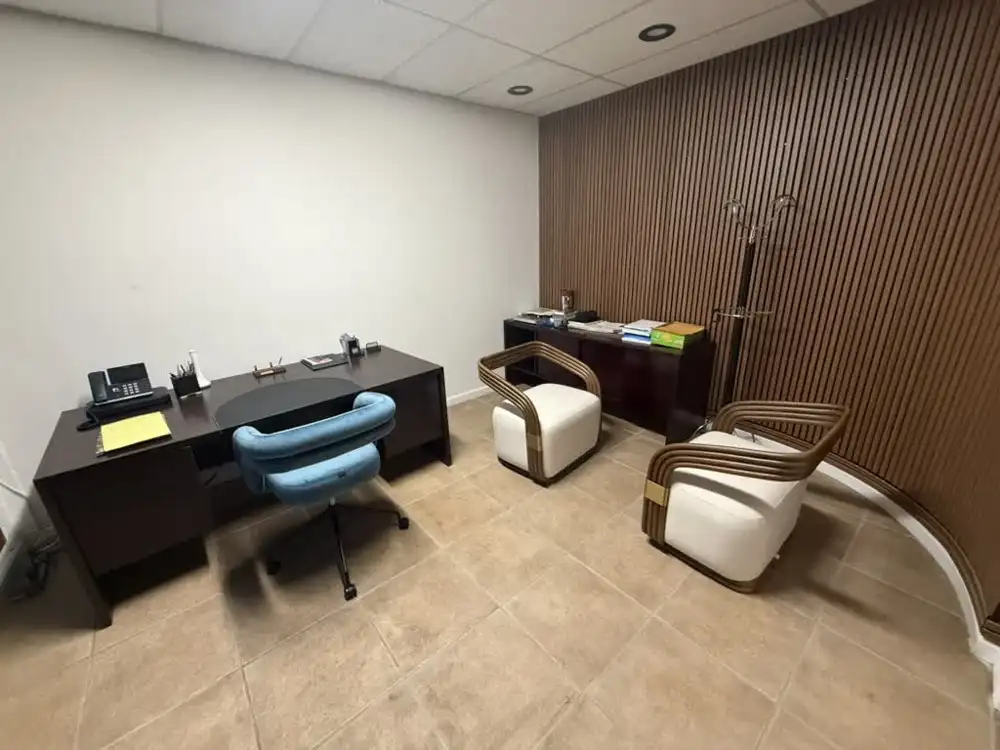
In person or via telehealth.
Four California clinics for in-person care, plus TelePsychiatry for patients anywhere in the state.
Pleasant Hill
91 Gregory Lane, Suite 20
Pleasant Hill, CA 94523 · Contra Costa County
TelePsychiatry
Secure video psychiatry from home — all 58 California counties, no office visit required.
Statewide telehealth Explore TelePsychiatryCommon questions.
From our team
Is telepsychiatry as good as in-person? What the research actually shows
For most psychiatric conditions, telehealth outcomes are equivalent to in-person care — and for many patients, significantly better.
Why your DNA should guide your prescription — the pharmacogenomics revolution
Over 90% of people carry a genetic variant that changes how they respond to psychiatric medications. A simple cheek swab can change everything.
Clinical sources
The clinical information on this page reflects current guidance from national medical and government health authorities. Always consult a clinician about your individual care.
- National Institute of Mental Health. Anxiety Disorders. nimh.nih.gov
- American Psychiatric Association. What Are Anxiety Disorders?. psychiatry.org
- National Institute of Mental Health. Psychotherapies. nimh.nih.gov
Anxiety is highly treatable. Start when you’re ready.
Universal Medical Group is accepting new patients across California — in person and by TelePsychiatry. Most patients see meaningful improvement within a few weeks.
SMS appointment reminders are optional. You may opt in during booking — consent is not required to schedule or receive care. Msg & data rates may apply for opted-in numbers. Reply STOP to opt out anytime. See our SMS Consent & Terms.
'/%3E%3Cellipse%20cx%3D'40'%20cy%3D'80'%20rx%3D'30'%20ry%3D'20'%20fill%3D'%230F2E44'%20clip-path%3D'url(%23c)'/%3E%3Cpath%20d%3D'M18%2068%20Q25%2060%2040%2064%20Q55%2060%2062%2068%20L65%2080%20L15%2080Z'%20fill%3D'%231B4D6E'%20clip-path%3D'url(%23c)'/%3E%3Crect%20x%3D'34'%20y%3D'52'%20width%3D'12'%20height%3D'13'%20rx%3D'5'%20fill%3D'%23D4956A'/%3E%3Cellipse%20cx%3D'40'%20cy%3D'42'%20rx%3D'17'%20ry%3D'19'%20fill%3D'%23D4956A'/%3E%3Cellipse%20cx%3D'40'%20cy%3D'27'%20rx%3D'17'%20ry%3D'10'%20fill%3D'%233D2314'/%3E%3Cpath%20d%3D'M23%2032%20Q18%2044%2020%2058%20Q24%2062%2027%2060%20Q25%2050%2026%2038Z'%20fill%3D'%233D2314'/%3E%3Cpath%20d%3D'M57%2032%20Q62%2044%2060%2058%20Q56%2062%2053%2060%20Q55%2050%2054%2038Z'%20fill%3D'%233D2314'/%3E%3Cellipse%20cx%3D'33'%20cy%3D'42'%20rx%3D'4'%20ry%3D'4.2'%20fill%3D'%23fff'/%3E%3Cellipse%20cx%3D'47'%20cy%3D'42'%20rx%3D'4'%20ry%3D'4.2'%20fill%3D'%23fff'/%3E%3Cellipse%20cx%3D'33.4'%20cy%3D'42.2'%20rx%3D'2.8'%20ry%3D'3'%20fill%3D'%235C3317'/%3E%3Cellipse%20cx%3D'47.4'%20cy%3D'42.2'%20rx%3D'2.8'%20ry%3D'3'%20fill%3D'%235C3317'/%3E%3Cellipse%20cx%3D'33.8'%20cy%3D'41.6'%20rx%3D'1.4'%20ry%3D'1.5'%20fill%3D'%231a0a00'/%3E%3Cellipse%20cx%3D'47.8'%20cy%3D'41.6'%20rx%3D'1.4'%20ry%3D'1.5'%20fill%3D'%231a0a00'/%3E%3Ccircle%20cx%3D'34.5'%20cy%3D'41'%20r%3D'.7'%20fill%3D'%23fff'%20opacity%3D'.9'/%3E%3Ccircle%20cx%3D'48.5'%20cy%3D'41'%20r%3D'.7'%20fill%3D'%23fff'%20opacity%3D'.9'/%3E%3Cpath%20d%3D'M28%2037.5%20Q33%2035.5%2038%2037'%20stroke%3D'%233D2314'%20stroke-width%3D'1.5'%20fill%3D'none'%20stroke-linecap%3D'round'/%3E%3Cpath%20d%3D'M42%2037%20Q47%2035.5%2052%2037.5'%20stroke%3D'%233D2314'%20stroke-width%3D'1.5'%20fill%3D'none'%20stroke-linecap%3D'round'/%3E%3Cpath%20d%3D'M33.5%2052.5%20Q40%2057.5%2046.5%2052.5'%20stroke%3D'%23C4845A'%20stroke-width%3D'1.5'%20fill%3D'none'%20stroke-linecap%3D'round'/%3E%3Cellipse%20cx%3D'28'%20cy%3D'49'%20rx%3D'4.5'%20ry%3D'2.5'%20fill%3D'%23E8967A'%20opacity%3D'.28'/%3E%3Cellipse%20cx%3D'52'%20cy%3D'49'%20rx%3D'4.5'%20ry%3D'2.5'%20fill%3D'%23E8967A'%20opacity%3D'.28'/%3E%3C/svg%3E)