Adult & adolescent ADHD,
diagnosed and treated with care.
Comprehensive ADHD evaluation and medication management for adults and adolescents. Davis is our dedicated ADHD Testing Center; full diagnostic services across all four clinics and via TelePsychiatry.
Medically reviewed by Surender Punia, MD, ABPN Board-Certified Psychiatrist · Last reviewed May 2026
SMS appointment reminders are optional. You may opt in during booking — consent is not required to schedule or receive care. Msg & data rates may apply for opted-in numbers. Reply STOP to opt out anytime. See our SMS Consent & Terms.

What is ADHD?
ADHD (Attention-Deficit/Hyperactivity Disorder) is a neurodevelopmental condition that affects attention, impulse control, working memory, and — in many people — emotional regulation.
It's not just "trouble focusing" — for many adults, it shows up as chronic procrastination, time blindness, impulsive decisions, restlessness, and a lifetime sense of underachievement. ADHD is dramatically underdiagnosed in adults — especially in women and people who didn't fit the hyperactive-boy stereotype as kids. Many of our patients come to us in their 30s, 40s, or 50s, often after a child got diagnosed and they recognized themselves in the description.
A proper ADHD diagnosis isn't a 15-minute checklist. We use structured rating scales, developmental history, comorbidity screening, and ruling out look-alike conditions (anxiety, depression, sleep disorders, thyroid issues) before we diagnose.
Common symptoms
- Difficulty sustaining attention on routine tasks
- Easily distracted; mind wandering during conversations
- Chronic procrastination, especially on boring tasks
- Forgetfulness — appointments, deadlines, where you put things
- Time blindness — chronically late, underestimating how long things take
- Restlessness, fidgeting, or feeling driven by a motor
- Impulsivity — financial decisions, interrupting, blurting things out
- Emotional dysregulation — quick to frustrate, intense responses
If symptoms are interfering with daily life — or if you've felt this way for more than two weeks — it's worth a conversation with a psychiatrist.
How ADHD is treated.
Effective treatment usually combines medication, therapy, and lifestyle factors. We work with you to find the right combination.
Stimulant medications
Methylphenidate-based (Ritalin, Concerta) or amphetamine-based (Adderall, Vyvanse). Most effective treatment for ADHD core symptoms.
Non-stimulant medications
Atomoxetine, guanfacine, bupropion, viloxazine. Helpful when stimulants aren't tolerated or contraindicated.
ADHD-focused therapy
CBT for ADHD, ADHD coaching, executive-function skills training. Strong evidence for adult ADHD especially when combined with medication.
Pharmacogenomic testing
Can guide stimulant selection, especially for patients with side effects or poor response to first-line options.
Comorbid treatment
Most adults with ADHD have at least one comorbid condition (anxiety, depression, sleep issues, substance use). We treat the whole picture.
Care that takes time.
UMG's Davis clinic is our dedicated ADHD Testing Center, but full ADHD evaluation and treatment are available at all four locations and via TelePsychiatry across California. Many patients prefer telehealth for ADHD because traveling to appointments is itself an ADHD obstacle.
We don't gatekeep stimulants, and we don't pressure patients into stimulants either. The treatment plan depends on your symptoms, history, comorbidities, and preferences. For some patients, the best treatment is a non-stimulant; for others, a low-dose stimulant; for many, medication plus skills coaching.
If you've been on the same dose of the same stimulant for years and it's stopped working, that's worth a fresh look — there are often better-fit options.
SMS appointment reminders are optional. You may opt in during booking — consent is not required to schedule or receive care. Msg & data rates may apply for opted-in numbers. Reply STOP to opt out anytime. See our SMS Consent & Terms.
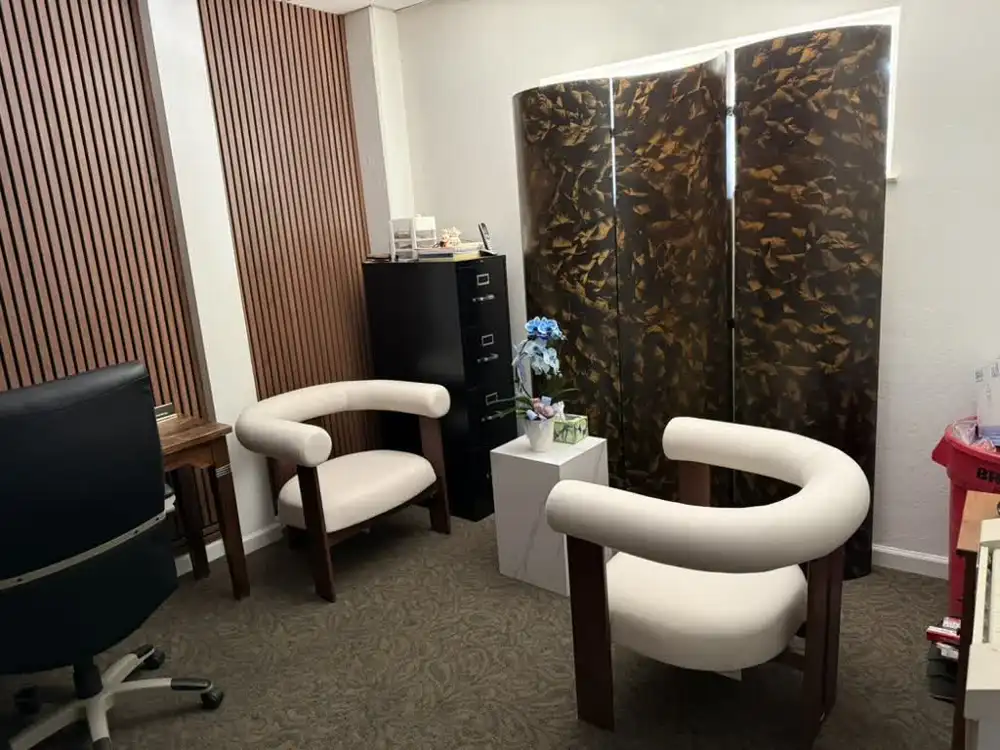
In-person or via telehealth.
Four California clinics for in-person care, plus TelePsychiatry for patients anywhere in the state.
Pleasant Hill
91 Gregory Lane, Suite 20
Pleasant Hill, CA 94523 · Contra Costa County
TelePsychiatry
Secure video psychiatry from home
All 58 California counties
Common questions.
From our team
The late ADHD diagnosis — why so many adults are only finding out now
ADHD in adults, especially women, is massively underdiagnosed. If you've always felt like you're struggling harder than everyone else, there may be a reason.
Why your DNA should guide your prescription — the pharmacogenomics revolution
Over 90% of people carry a genetic variant that changes how they respond to psychiatric medications. A simple cheek swab can change everything.
Clinical sources
The clinical information on this page reflects current guidance from national medical and government health authorities. Always consult a clinician about your individual care.
- National Institute of Mental Health. Attention-Deficit/Hyperactivity Disorder (ADHD). nimh.nih.gov
- Centers for Disease Control and Prevention. About ADHD. cdc.gov
- American Psychiatric Association. What Is ADHD?. psychiatry.org
A clear answer is closer than it feels.
Universal Medical Group is accepting new patients for ADHD evaluation and treatment across California — in person and by TelePsychiatry.
SMS appointment reminders are optional. You may opt in during booking — consent is not required to schedule or receive care. Msg & data rates may apply for opted-in numbers. Reply STOP to opt out anytime. See our SMS Consent & Terms.
'/%3E%3Cellipse%20cx%3D'40'%20cy%3D'80'%20rx%3D'30'%20ry%3D'20'%20fill%3D'%230F2E44'%20clip-path%3D'url(%23c)'/%3E%3Cpath%20d%3D'M18%2068%20Q25%2060%2040%2064%20Q55%2060%2062%2068%20L65%2080%20L15%2080Z'%20fill%3D'%231B4D6E'%20clip-path%3D'url(%23c)'/%3E%3Crect%20x%3D'34'%20y%3D'52'%20width%3D'12'%20height%3D'13'%20rx%3D'5'%20fill%3D'%23D4956A'/%3E%3Cellipse%20cx%3D'40'%20cy%3D'42'%20rx%3D'17'%20ry%3D'19'%20fill%3D'%23D4956A'/%3E%3Cellipse%20cx%3D'40'%20cy%3D'27'%20rx%3D'17'%20ry%3D'10'%20fill%3D'%233D2314'/%3E%3Cpath%20d%3D'M23%2032%20Q18%2044%2020%2058%20Q24%2062%2027%2060%20Q25%2050%2026%2038Z'%20fill%3D'%233D2314'/%3E%3Cpath%20d%3D'M57%2032%20Q62%2044%2060%2058%20Q56%2062%2053%2060%20Q55%2050%2054%2038Z'%20fill%3D'%233D2314'/%3E%3Cellipse%20cx%3D'33'%20cy%3D'42'%20rx%3D'4'%20ry%3D'4.2'%20fill%3D'%23fff'/%3E%3Cellipse%20cx%3D'47'%20cy%3D'42'%20rx%3D'4'%20ry%3D'4.2'%20fill%3D'%23fff'/%3E%3Cellipse%20cx%3D'33.4'%20cy%3D'42.2'%20rx%3D'2.8'%20ry%3D'3'%20fill%3D'%235C3317'/%3E%3Cellipse%20cx%3D'47.4'%20cy%3D'42.2'%20rx%3D'2.8'%20ry%3D'3'%20fill%3D'%235C3317'/%3E%3Cellipse%20cx%3D'33.8'%20cy%3D'41.6'%20rx%3D'1.4'%20ry%3D'1.5'%20fill%3D'%231a0a00'/%3E%3Cellipse%20cx%3D'47.8'%20cy%3D'41.6'%20rx%3D'1.4'%20ry%3D'1.5'%20fill%3D'%231a0a00'/%3E%3Ccircle%20cx%3D'34.5'%20cy%3D'41'%20r%3D'.7'%20fill%3D'%23fff'%20opacity%3D'.9'/%3E%3Ccircle%20cx%3D'48.5'%20cy%3D'41'%20r%3D'.7'%20fill%3D'%23fff'%20opacity%3D'.9'/%3E%3Cpath%20d%3D'M28%2037.5%20Q33%2035.5%2038%2037'%20stroke%3D'%233D2314'%20stroke-width%3D'1.5'%20fill%3D'none'%20stroke-linecap%3D'round'/%3E%3Cpath%20d%3D'M42%2037%20Q47%2035.5%2052%2037.5'%20stroke%3D'%233D2314'%20stroke-width%3D'1.5'%20fill%3D'none'%20stroke-linecap%3D'round'/%3E%3Cpath%20d%3D'M33.5%2052.5%20Q40%2057.5%2046.5%2052.5'%20stroke%3D'%23C4845A'%20stroke-width%3D'1.5'%20fill%3D'none'%20stroke-linecap%3D'round'/%3E%3Cellipse%20cx%3D'28'%20cy%3D'49'%20rx%3D'4.5'%20ry%3D'2.5'%20fill%3D'%23E8967A'%20opacity%3D'.28'/%3E%3Cellipse%20cx%3D'52'%20cy%3D'49'%20rx%3D'4.5'%20ry%3D'2.5'%20fill%3D'%23E8967A'%20opacity%3D'.28'/%3E%3C/svg%3E)